Recently Sold (VR932)
Rarities Antique Jewelry
Sorry, this item is Sold
Insignia - Vintage Signed 'Birks' 10K Gold Diamond Signet Ring. This lovely ring is crafted from 10K yellow and white gold, hallmarked 10K and signed BIRKS. This ring features one natural round cut diamond, vintage styling, and quality craftsmanship. This classic ring is designed for Birks, which is a Canadian company know for selling high quality jewelry. This ring is a classic signet ring, which displays a matt finish, and a sparkling diamond. Luckily the signet is blank, which can be left this way or engraved with an initial(s). The shoulders on the ring are tapered, and display a high polish. The shank is smooth, and polished , which allows for a comfortable fit and easy sizing. This classic and charming vintage ring would make a wonderful addition to any fine jewelry collection.
Comments: Looks wonderful on the ring finger ore pinky finger.
History: The earliest diamonds were found in India in 4th century BC, although the youngest of these deposits were formed 900 million years ago. A majority of these early stones were transported along the network of trade routes that connected India and China, commonly known as the Silk Road.
Gold was generally used for a couple thousand years solely to create things such as jewelry and idols for worship. This was until around 1500 BC when the ancient empire of Egypt, which benefited greatly from its gold-bearing region, Nubia, made gold the first official medium of exchange for international
Although the origin of white color gold dates back to 1710, where it was discovered by two alchemists in Germany, it wasn't used widely until much later. White gold as we know it today was really popularised in the 1920s. Although it might seem strange, this luxury material came to popularity in wartime.
Originally signet rings were emblazoned with a family crest and they would frequently be used to stamp, or sign a document. The metal shapes would leave a permanent mark in any soft wax or even clay and this would be placed onto a variety of legal documents. Some of the most important documents in history have been stamped with a signet ring. In its day the stamp of a ring was seen as more authentic than a signature.
Before the days of the internet and other electronic wizardry it was normal for all the most influential people in the world to have these rings and use them to confirm the authenticity of any document. These rings usually look magnificent but they were designed with a very practical purpose in mind.
Every ring was unique, the markings usually included the family crest but there would always be a significant mark which personally identified the ring holder. Some of the rings were simple monograms or icons which were associated with the most important families. All rings were reverse engineered to ensure that the design came out properly when they were stamped on a document. Of course, this level of detail also ensured the rings were expensive and very difficult to copy.
The signet ring was used as long ago as 3500 BC. Records show the people of Mesopotamia used cylindrical seals as marks of authenticity. This is really the origin of the corporate seal which is still used by some companies today.
By the time of the ancient Egyptians the seal had become attached to a ring and Pharaohs and other important people of the day would wear them to show their position.
At the beginning of the Minoan period most rings were formed from soft stones or ivory but by the end of this period they were created from harder stones. The bronze age saw a shift to metal rings and they took on their current day appearance. There was even a period when they were considered an art form and many people had collections of them.
By the Middle Ages, any person of influence had a signet ring. This included all the nobility and they were used to sign all letters and legal documents. In fact, in the fourteenth century King Edward II decreed that all official documents must be signed with the King’s signet ring. The majority of rings dating from these periods were destroyed when their owner died. This is because they were unique and it avoided any possibility of forged documents appearing after a nobleman’s death. Having a ring during this period marked you as a member of the highest class and above other, common men.
The nineteenth century saw many rings become more ornate as precious and semi-precious jewels were added to these rings. The best of these rings had the stone set on a rotating bezel which allowed it to be worn facing out or facing into your finger. They were always made of silver or gold.
The nineteenth century saw many rings become more ornate as precious and semi-precious jewels were added to these rings. The best of these rings had the stone set on a rotating bezel which allowed it to be worn facing out or facing into your finger. They were always made of silver or gold.
Members of the Freemasons still opt to wear a ring which identifies them and their affiliation. These rings are not the same as the original signet rings but do serve a similar purpose. It has become traditionally for many organisations to wear rings; class rings or biker gangs are two prominent examples. In wealthy families, the head of the family wears an imposing signet, which he will pass on to his son; the tradition will pass from generation to generation.
There are still a few people who commission their own signet rings although these are never be used legally mark a document anymore. There are many more people who wear a signet ring that has been passed down from generation to generation and this will continue for the foreseeable future. These rings are authentic signet rings but the markings are not unique to the current ring bearer.
Measurements: Face of ring 8.00 mm x 7.50 mm
Stone Size: Diamond .005 carat
Weight: 1.70 grams
Ring Size: 6 1/2
Condition: Excellent
Origin: Canada, Montreal
Date: Circa 1980
You may also like...
-
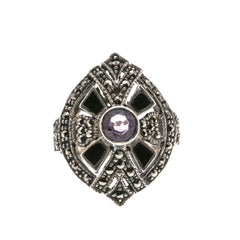 Art Deco Geometry- Vintage Sterling Silver Amethyst, Onyx & Marcasite Ring
Sold
Art Deco Geometry- Vintage Sterling Silver Amethyst, Onyx & Marcasite Ring
Sold
-
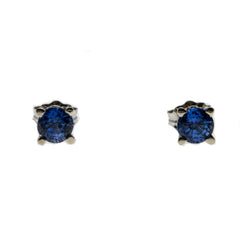 Brilliant Skies - Estate 14K White Gold Natural Blue Sapphire Stud Earrings (EE213)
Sold
Brilliant Skies - Estate 14K White Gold Natural Blue Sapphire Stud Earrings (EE213)
Sold
-
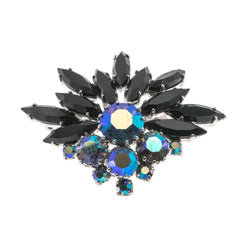 Contrasting Adornment - Vintage Silver Tone Aurora Borealis Crystal Brooch (VBR054)
Sold
Contrasting Adornment - Vintage Silver Tone Aurora Borealis Crystal Brooch (VBR054)
Sold
-
 Date Night - Vintage Retro Sterling Silver Intricate Bracelet (VB121)
Sold
Date Night - Vintage Retro Sterling Silver Intricate Bracelet (VB121)
Sold
-
 Glowing Nature - Estate Sterling Silver Freshwater Pearl CZ Ring (ER229)
Sold
Glowing Nature - Estate Sterling Silver Freshwater Pearl CZ Ring (ER229)
Sold
-
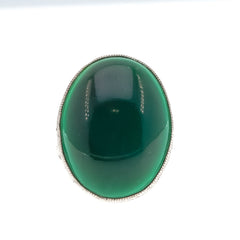 Rainforest - Art Deco Sterling Silver Chrysoprase Ring (ADR210)
Sold
Rainforest - Art Deco Sterling Silver Chrysoprase Ring (ADR210)
Sold